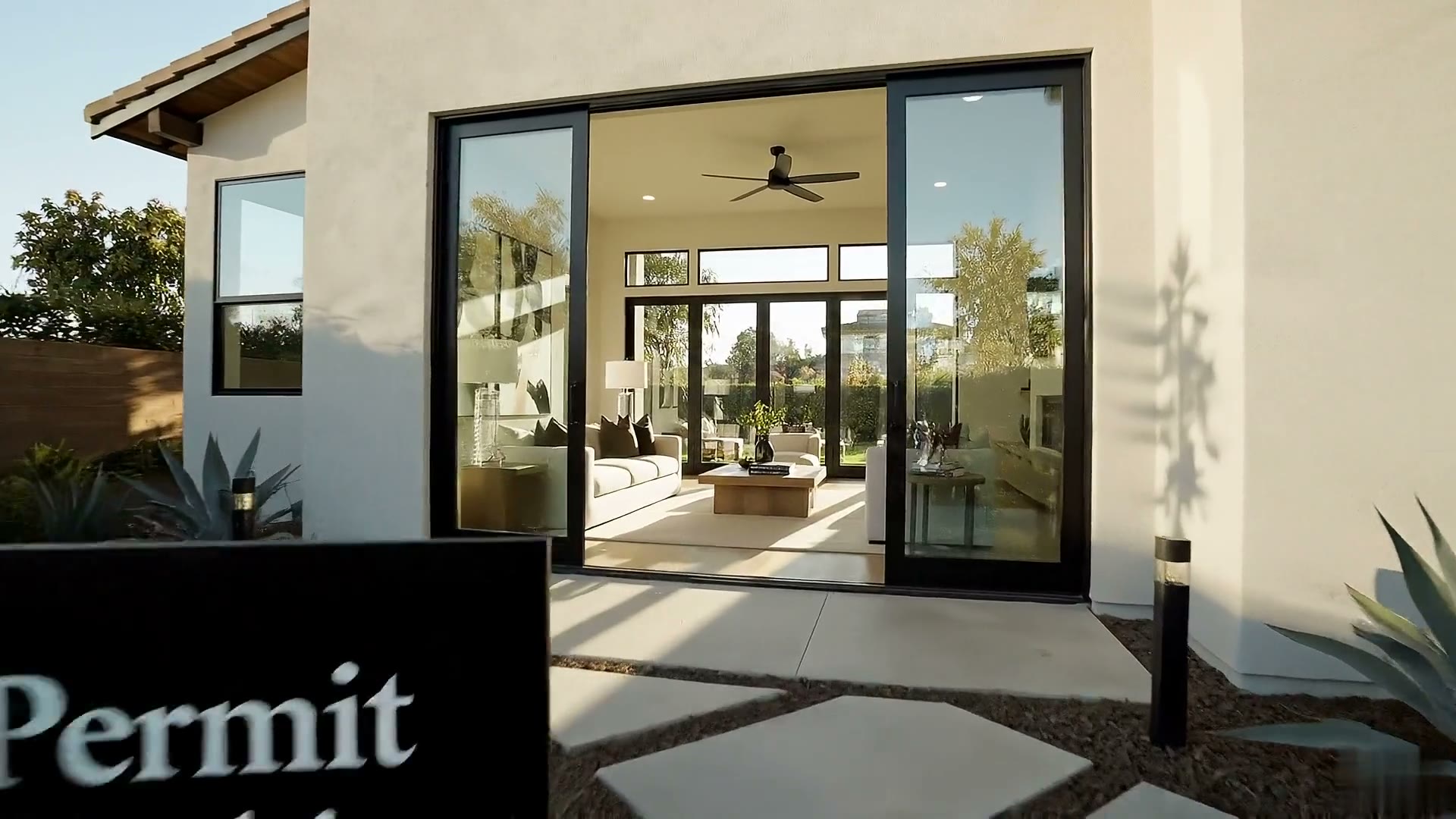
Accessory Dwelling Units · LA County
ADU Builders in Los Angeles County
We design, permit, and build your ADU with our own crews — one licensed contractor, start to finish. You talk straight to the team that puts a crew on your lot.
What an ADU actually is — and who builds yours.
An accessory dwelling unit (ADU) is a self-contained second home on your property — its own kitchen, bathroom, and entrance — used for rental income, multigenerational living, or added property value. In Los Angeles County they have become one of the most in-demand residential projects, and one of the most permit-sensitive.
Permit Matching is a licensed design-build general contractor in LA County. We design, permit, and self-perform with our own in-house crews, and we've worked this way for 20 years, since 2006.
How much does it cost to build an ADU in LA County?
A finished ADU in Los Angeles County typically runs about $150,000 to $450,000+, depending on size, type, and finishes.
A garage conversion sits at the lower end of that range; a larger detached ADU — with its own foundation, utility connections, and higher-end finishes — lands at the upper end. Costs always vary by scope, lot conditions, and city requirements. We give you one detailed, line-item estimate after walking the project — honest pricing, no vague allowances.
Permitting an ADU in Los Angeles County
California state ADU law has standardized and eased approvals across LA County jurisdictions. We pull the permit before any work begins — never the other way around.
Feasibility & zoning review
We confirm your lot can support an ADU under local ordinances — setbacks, lot coverage, height, and whether a detached, attached, or junior ADU fits best.
State ADU law advantages
State law limits how cities can restrict ADUs and caps review timelines, which streamlines approvals that used to stall projects for months.
Plans & plan check
Our team produces the architectural and structural plans, then carries them through the city or county plan-check process and addresses comments directly.
Utilities & separate connections
Detached ADUs often need separate or sub-metered water, sewer, gas, and electrical. We design and coordinate these hookups during permitting, not after.
Permit issuance
Once the permit is issued, we put our own crew on site — no handoff to a subcontractor you have never met.
Inspections & final sign-off
We schedule and pass each required inspection through to the final certificate, so your ADU is legal, recorded, and ready to occupy or rent.
How long does an ADU take?
Most ADUs take roughly 4 to 8 months from design to final inspection, including permitting.
Detached, ground-up ADUs sit toward the longer end of that window; garage conversions and JADUs can move faster. The biggest variables are city plan-check queues and utility coordination — both of which we manage for you. We give you an honest schedule up front and tell you straight when a city timeline is outside our control.
What's included
Every ADU we build is delivered start to finish by one accountable team — ours.
- Pre-design consultation and feasibility assessment
- Architectural plans and city approvals
- Foundation and framing
- Utilities, plumbing, and electrical
- Interior finishes and landscaping
Which kind of ADU fits?
Not every lot suits every ADU type. Here is how the common options differ — and we will tell you straight which makes sense for your property.
Detached ADU
A standalone unit with its own foundation. The most flexible and highest-value option, and the most involved — typically the upper end of the cost and timeline range.
Attached ADU
Built onto the existing home, sharing a wall. Often more cost-efficient than detached because it borrows structure and proximity to existing utilities.
Garage conversion
Converts an existing garage into a livable unit. Usually the fastest and most affordable path because the shell already exists.
Junior ADU (JADU)
Up to 500 sq ft carved from the existing home footprint, sometimes sharing systems. Cheaper and faster, but smaller and more limited in use.
ADU questions, answered
- How much does it cost to build an ADU in Los Angeles County?
- A finished ADU in LA County typically runs about $150,000 to $450,000 or more, depending on size, type, and finishes. A garage conversion sits at the lower end; a larger detached ADU with new foundation, utilities, and higher-end finishes lands at the upper end. We give you one detailed, line-item estimate after walking the project — transparent pricing for the work itself, with no vague allowances.
- How long does it take to build an ADU?
- Most ADU projects take roughly 4 to 8 months from design to final inspection, including permitting. Detached new-construction ADUs sit toward the longer end; garage conversions and prefab-adjacent approaches can move faster. Timelines vary with city plan-check queues and utility coordination.
- Do I need a permit to build an ADU, and is the process easier now?
- Yes — every ADU requires a building permit. The good news is that California state ADU law has standardized and eased approvals, limiting how cities can restrict ADUs and shortening review timelines. We handle the local ordinance, zoning, and plan-check process for you and pull the permit before any work begins.
- What is the difference between an ADU and a JADU?
- An ADU (Accessory Dwelling Unit) is an independent unit with its own kitchen, bathroom, and entrance — detached, attached, or a garage conversion. A JADU (Junior ADU) is a smaller unit (up to 500 sq ft) carved out of the existing home footprint, often sharing some systems. JADUs are cheaper and faster but more limited; we will tell you straight which fits your lot.
- Will my ADU need separate utilities?
- It depends. Detached ADUs often require separate or sub-metered utility connections; conversions and JADUs can sometimes tie into the existing home. We assess this during the feasibility stage so there are no surprises, and our in-house crew handles the trenching, hookups, and coordination directly.
ADUs across LA County
Talk to the team that builds your ADU.
You work directly with the licensed contractor that designs, permits, and builds the work. Tell us about your lot and we'll give you an honest read on feasibility, cost, and timeline. Free consultation.